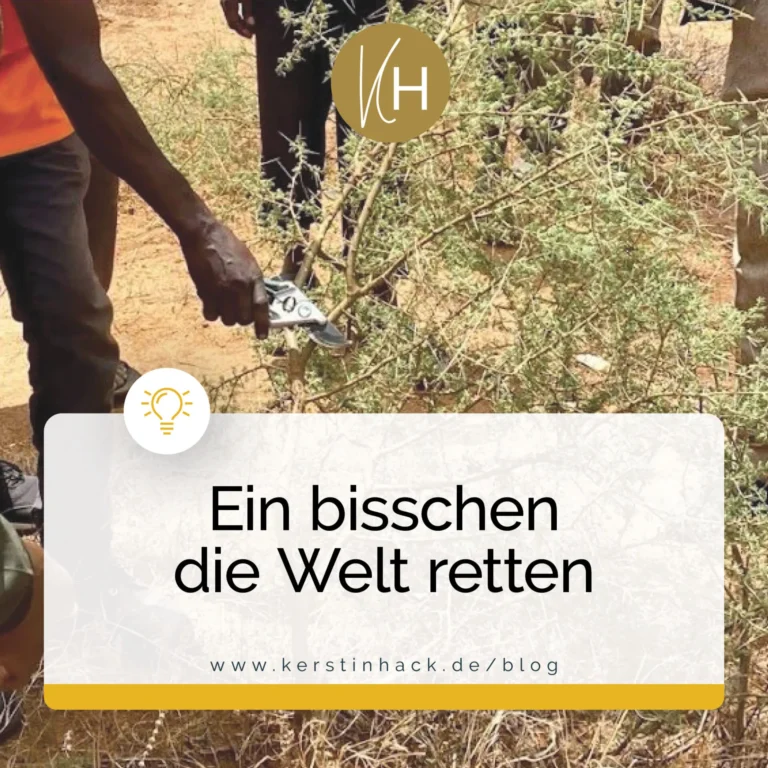
Tanzania - turning a little into a lot - with FMNR Part 2
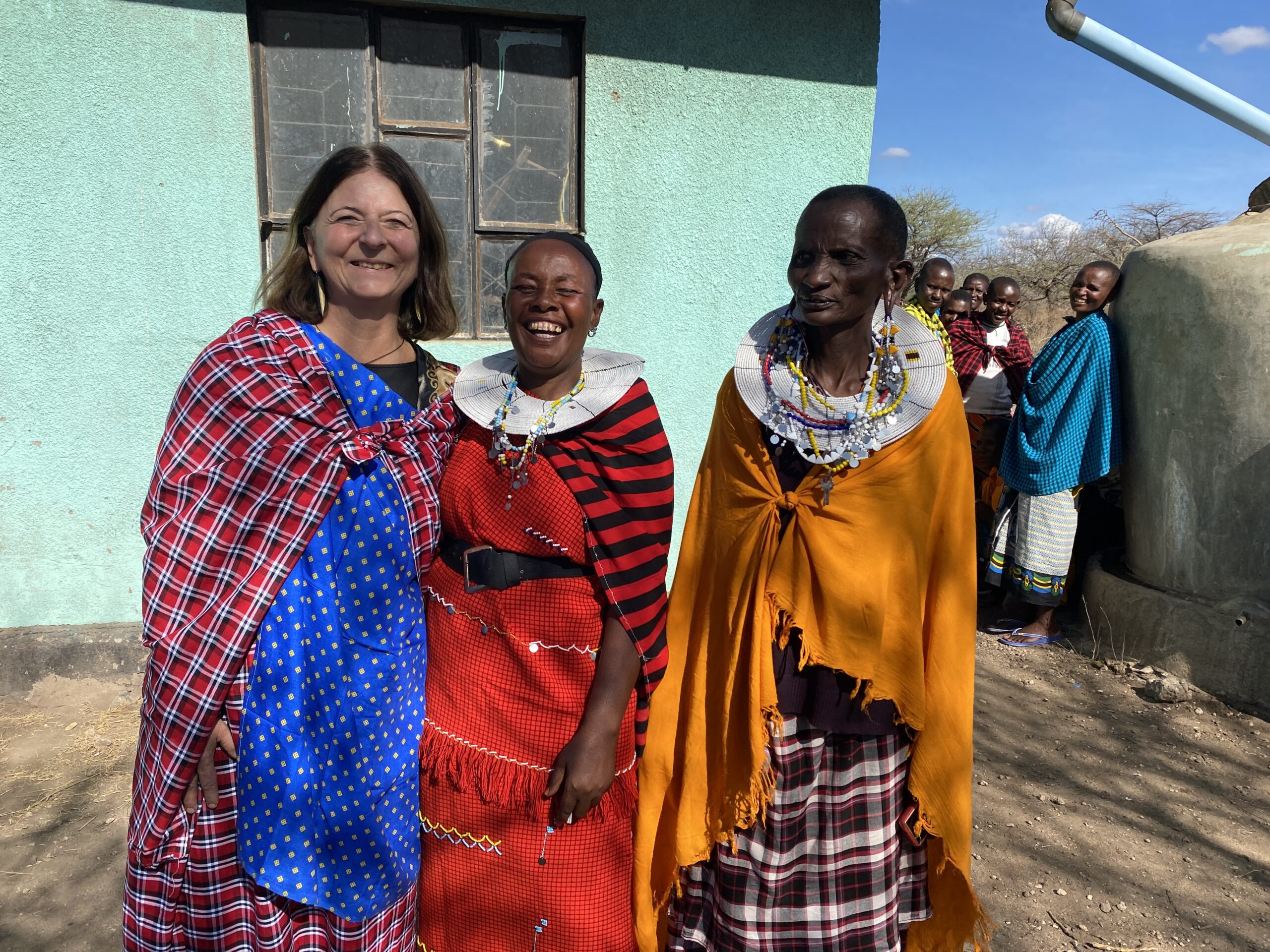
In the first part of the travelogue about Tanzania, I explained how I came to support an FMNR project in Tanzania. Be sure to read this first part firstto be able to dive into this second part with me.
Dodoma region - project visit to villages where FMNR has already been implemented
It's hot in Dodoma. You drive halfway across the country from Arusha in the north to get to the country's capital region, which is centrally located in the centre. In recent years, the small village has grown into a large city with a government district, supermarkets, massage parlours and chic cafés. Restaurants are lined up next to all the traditional small shops and cookshops, the many tricycle taxis, lorries and motorbikes, which are called pikipiki here.
An hour from Dodoma, you turn off onto a mud road that leads to the village of Mtongoro, where World Vision has been active with an FMNR project for about 5 years. FMNR, Farmer Managed Natural Regeneration, The regeneration of nature for which farmers themselves are responsible is an approach developed by Tony Rinaudo to quickly grow large trees again from the shoots of trees through protection and skilful pruning.
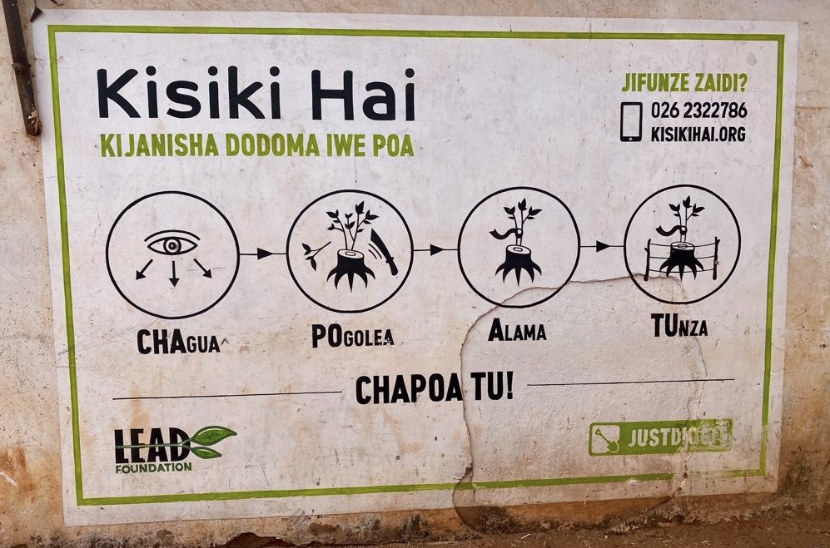
In Tanzania this means in Swahili Kisiki Hai, "the living stump" and on the way there we discovered a mural at a bus stop that explained the four steps
- Select
- Pruning
- Marking
- Protect
Tanzania's population growth: challenges and opportunities
Tanzania is facing an enormous demographic challenge, which is also associated with remarkable opportunities. In the villages we visited, each with around 3,000 inhabitants, it is striking that half of the population is under 15 years old. This reflects Tanzania's high birth rate of around 4.59 children per woman. This is not the highest on the African continent (only 11th), but it is still remarkable... Niger has the highest fertility rate in the world with a fertility rate of 6.67 children per woman (see Statista 2023). Experts predict that Tanzania's population is likely to double in the next 10 years. This development presents society with a number of challenges, particularly in terms of supply, but also offers opportunities for sustainable growth and development.
Key challenges
- Resource requirements: With the rapidly growing population, the demand for food, water, housing and educational facilities is increasing exponentially.
- Infrastructure development: The need to expand and improve infrastructure is urgent. This includes roads, electricity, health services and educational facilities.
- Education and training: Training new teachers is becoming a priority in order to keep pace with the increasing number of pupils.
- Healthcare: A growing population also means a greater need for healthcare services and facilities.
Opportunities through growth
- Economic potential: A young population can become an engine of economic growth, given adequate training and employment opportunities.
- Innovation and development: The dynamism of a young population can promote innovation and generate new solutions to local and global challenges.
- Strengthening communities: The active involvement of communities in development processes, such as the creation of local laws (by-laws), strengthens the social fabric and promotes sustainable development.
Local governance as the key to success
After starting at the project office, we went into the mayor's office as usual - a room with two windows, a desk, a shelf, a few benches and a huge safe. At least you can't carry it away.
The office was quickly filled with everyone involved in the project in one way or another: The mayor - in this case a female mayor in an elegant black and white dress with an impressive African braided hairstyle - and other members of the local council. They are just as important as the official representatives of the government, as they have the power to enforce regulations. Together with the other key players in the community, they lay down the so-called by-laws, a type of local law that is binding.
Community, nature and sustainable development: Tanzania's path to the future
In Tanzania, local initiatives led by organisations such as World Vision provide an inspiring example of sustainable development. World Vision does not say what exactly should be done, but takes on a kind of trainee role. Beekeeper and livestock farmer initiatives work together to protect the environment and promote the local economy.
The other actors were the environmental committee, which consists of 12 people who care about preserving and improving nature - in the photos they are all wearing orange T-shirts with their logo, which they put on for special occasions - such as celebrations or project visits from Germany. Only the chairman wears a light blue shirt. Hierarchy has its place in Tanzania.
Promoting women for economic growth
Beekeeping is being revolutionised by modern, reusable beehives and is primarily managed by women. This strengthens the role of women in the economy. Communication creates harmony between environmental protection and livestock farming, solving the challenge of livestock farmers respecting the boundaries of protected areas.
World Vision promotes self-initiative by supporting local initiatives in defining their goals. This approach promotes self-determination and self-reliant community growth. Decisions are made collectively to ensure that everyone's needs and wishes are taken into account, demonstrating grassroots democracy in action.
Station 1: Energy-saving cookers
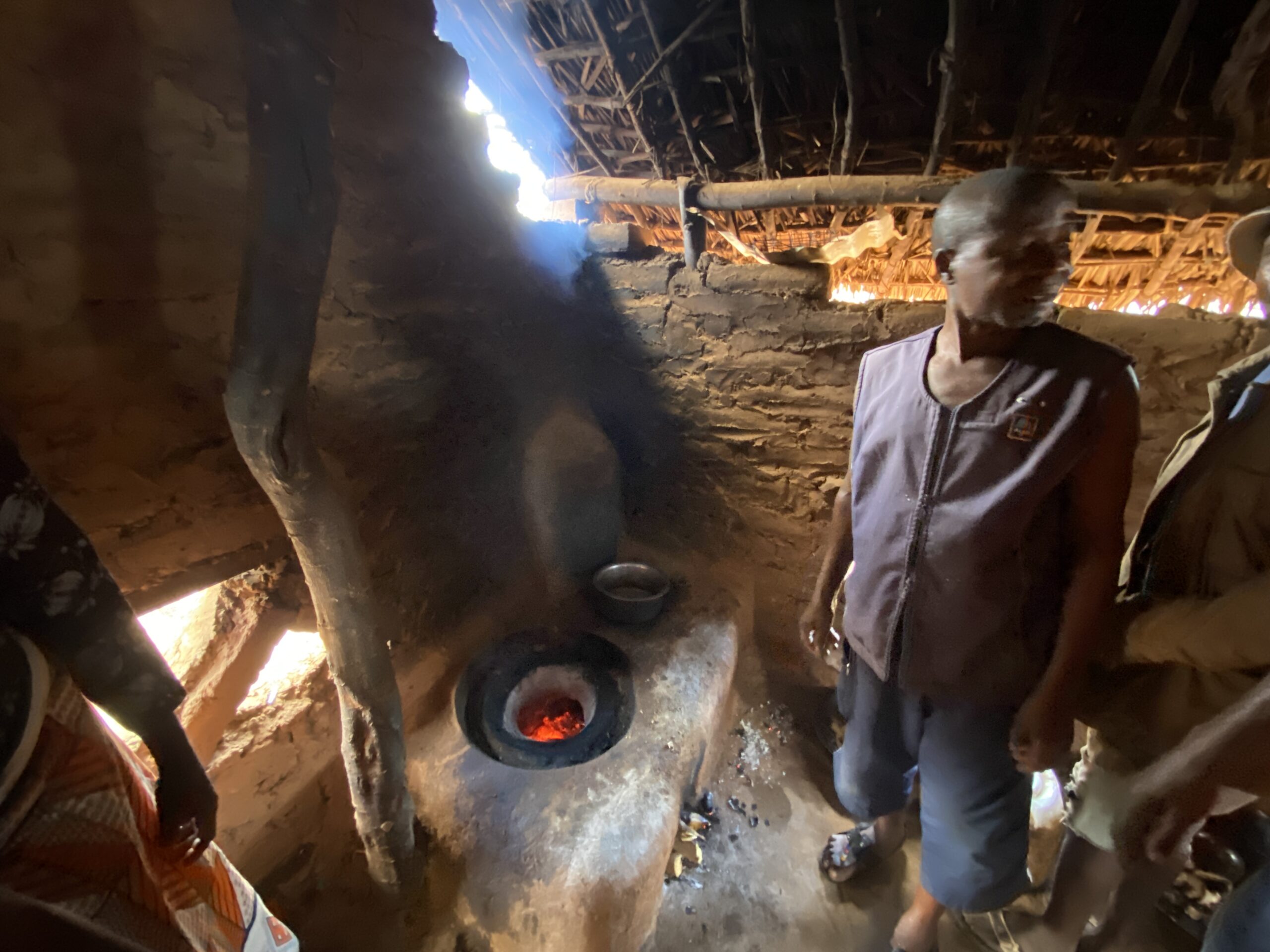
I had asked myself in advance what exactly that was. I had heard about solar cookers, but they don't work very well in most parts of Africa: It takes too long until everything is well cooked and it only works when the sun is shining. You can always cook with wood or charcoal.
Traditionally, 3 stones are placed on the floor - usually in a special cooking hut - under which a fire is lit and smoke is produced. There is a lot of smoke! And it uses a lot of wood. One farmer told me that he had to collect wood 3 to 4 times a week for the old cooker - a task that takes up to 6 hours.
Station 1: Revolution in cooking methods thanks to energy-saving cookers
The introduction of energy-saving cookers in Tanzania is a shining example of simple but effective innovation. In contrast to traditional cooking methods, which are not only inefficient but also time-consuming and harmful to the environment, these new cookers offer an impressive improvement:
- Efficiency: The new clay cookers reduce wood consumption by up to 75% by storing heat better and being able to heat several pots at the same time.
- Time saving: What used to mean up to 18 hours of wood collection per week is now reduced to a minimum. This gives people, especially women, valuable time back.
- Environmental protection: Less wood consumption leads to a reduction in deforestation and promotes sustainability.
- Economic opportunities: The time saved enables the villagers to devote themselves to economic activities and set up small businesses.
Station 2: Fruit trees on the doorstep - a step towards self-sufficiency
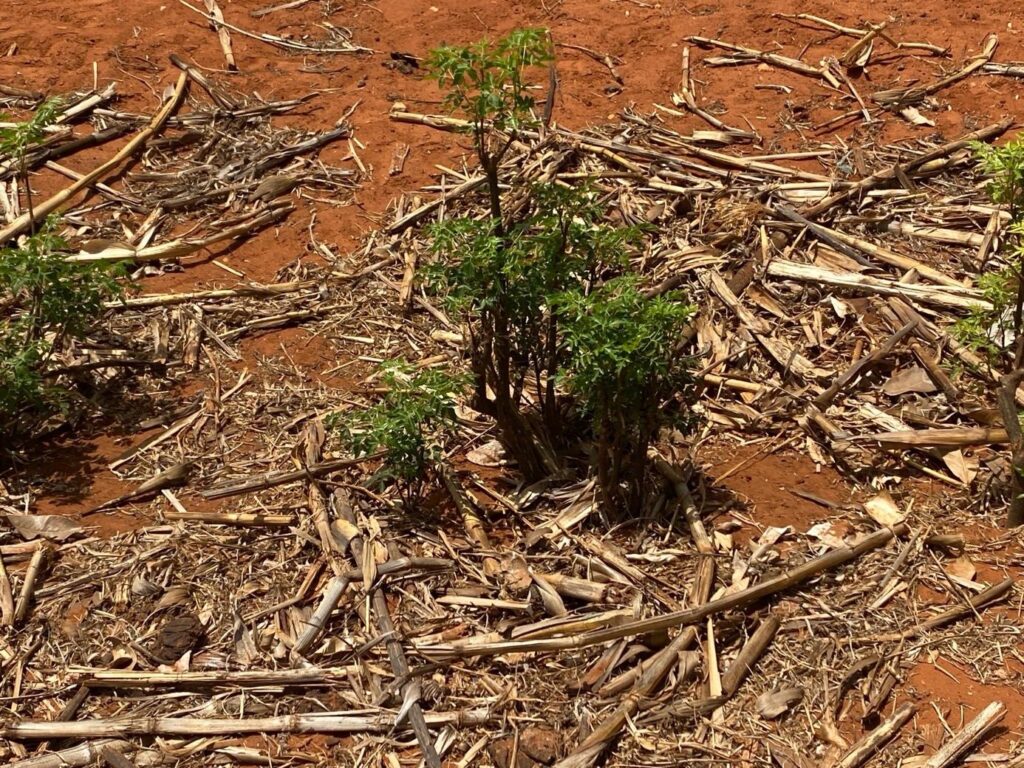
The village community has made a binding decision that each family should have 5 trees in front of their house - which variety is up to the family itself.
Diversity: The families have the freedom to choose between different tree species, be it nutritious fruit trees or medicinally valuable plants such as moringa.
- Sustainability: Innovative irrigation methods such as drip irrigation from recycled plastic bottles ensure that young trees are supplied with water even during dry periods.
- Challenges: Overcoming challenges such as insufficient irrigation during dry periods or fungal infestation shows the importance of community knowledge and support.
Station 3: School initiatives in Tanzania
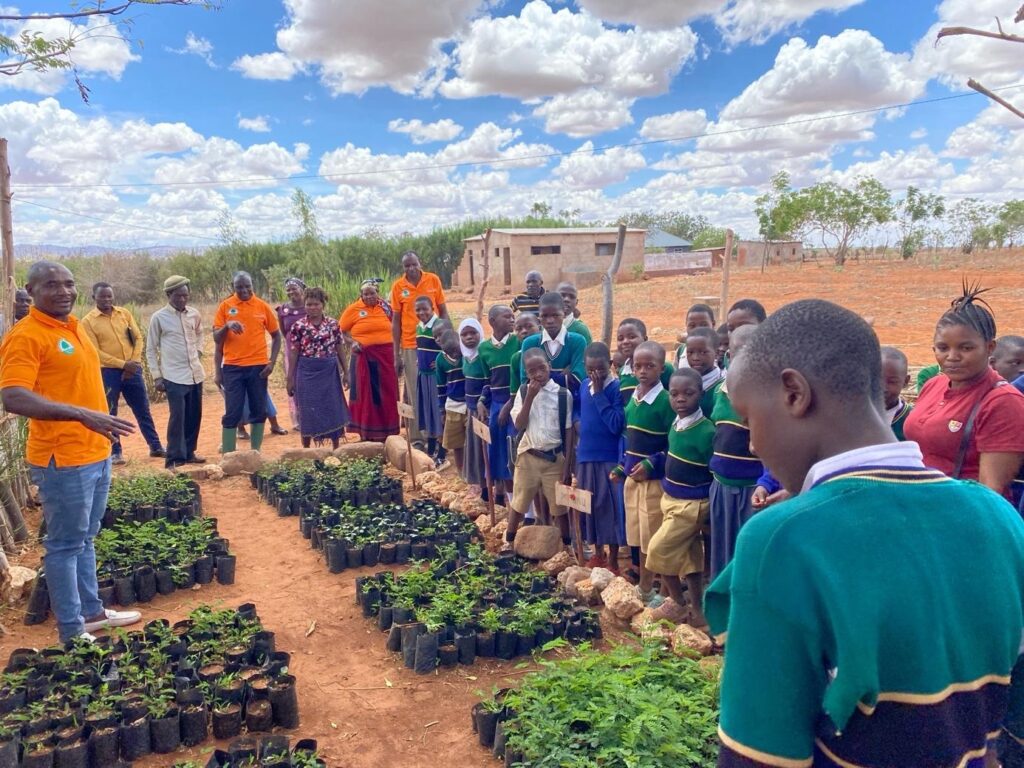
In Tanzania, schools play a key role in sustainable development and environmental protection. I was inspired by my visits to the schools in two villages. Educational institutions go beyond the traditional curriculum to impart practical knowledge that benefits both the environment and the local community.
Environmental education through practical application
- environmental clubs: Schools actively promote environmental clubs in which children learn the importance of nature conservation and develop practical skills in dealing with nature.
- FMNR method: Using the Farmer Managed Natural Regeneration (FMNR) method, pupils prune bushes and trees, resulting in the creation of small forests around the school.
- School gardens: The creation of school gardens, where fruit trees and vegetables are grown, teaches pupils the value of self-sufficiency and helps to fund essential needs such as irrigation.
The value of practical knowledge
- Knowledge exchange: The willingness to share practical knowledge such as horticultural techniques not only strengthens food production, but also promotes a culture of learning and curiosity.
- Importance of practical skills: In a region where academic education does not always lead to expected career paths, practical knowledge that directly contributes to improving living standards proves to be particularly valuable. Parents often put all their money into expensive studies for one of their children - but in the end there are not enough paid jobs for teachers, doctors, etc. The son who has finished his studies ends up becoming the owner of a mobile phone business and the daughter who has studied works for free in a hospital ward. A pity. Practical knowledge that really helps to increase income, as taught in the project, is therefore worth its weight in gold.
Station 4: Protected area and growing forest
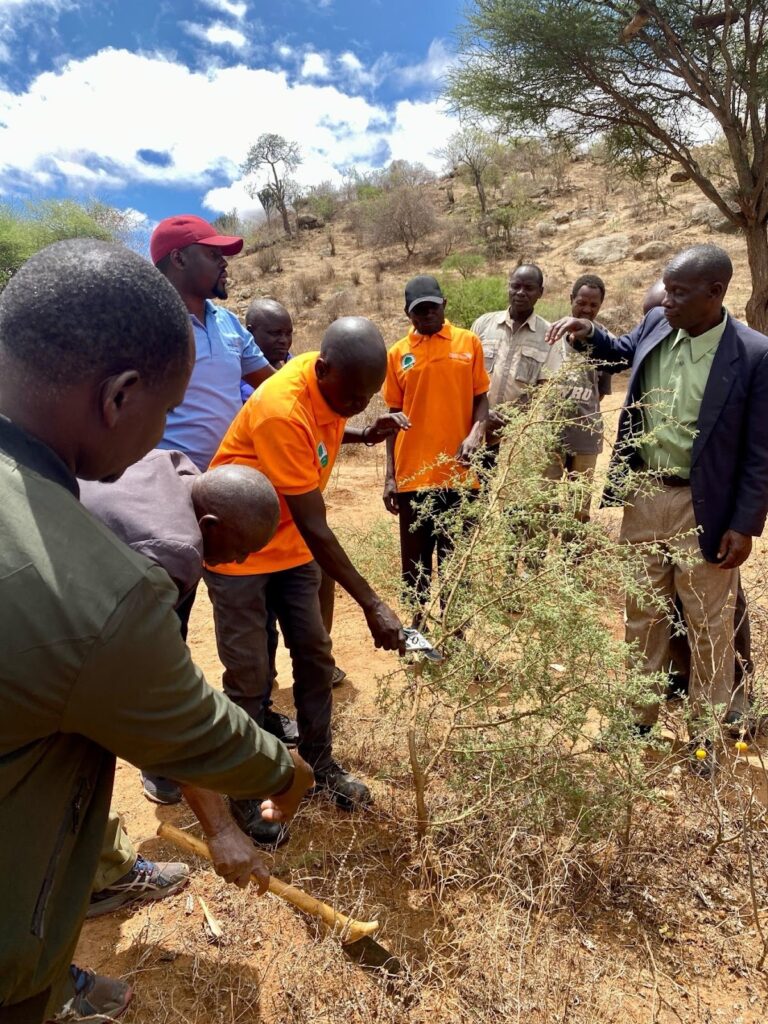
In Tanzania, villages such as Naitolia and Mswakini Juu are actively promoting environmental protection through the designation of protected areas and the implementation of FMNR projects (Farmer Managed Natural Regeneration) a. These measures are an example of how local communities work together with environmental committees and local councils to develop sustainable solutions to environmental problems. The newly sprouting tree bushes are gradually being pruned. In Mtongoro, the first 20 hectares have already been pruned: There, 5 to 10 metre high trees have grown from the stumps and shoots as a result of targeted pruning over the last 5 years. Pruning is strenuous and takes time and effort and can only be carried out in the months when no field work needs to be done.
Key initiatives:
- Designation of protected areas: Significant areas in the villages, partly up to 80 hectaresThese areas have been designated as protected areas for the regeneration of nature, marked by markers and clear labelling.
- Pruning for growth: Targeted pruning of tree bushes turns deforested areas back into living forests. This process, which takes several years, has already led to visible successes, with trees reaching 5 to 10 metres in height in five years.
- Community work: The clipping work is carried out collectively and during the months in order to take account of the agricultural cycles and at the same time ensure the participation of the livestock farmers.
Positive effects:
- Win-win for the environment and the community: The integration of FMNR not only provides environmental protection, but also supports local agriculture and livestock farming by making grazing land temporarily accessible and providing firewood.
- Improved quality of life: The regeneration of forests helps to improve air quality, which is perceived by the villagers as a significant improvement in their quality of life.
Station 5: A farmer shows us his field
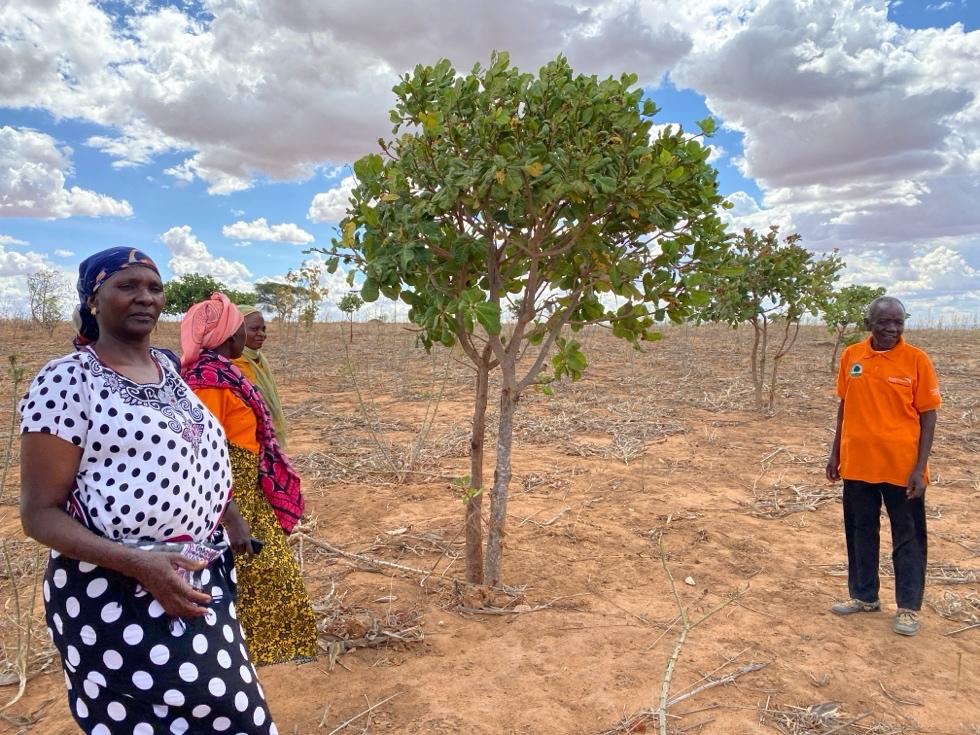
The farmer whose field we visited looked messier than the neighbouring fields. There were lots of leftovers from the last harvest in the field and small bushes and mini trees everywhere - with a few larger cashew trees in between. the cashews in Tanzania are the best I have ever eaten. The disorder has a system. In the past, and still in many places, the fields are prepared for the harvest by burning bushes, trees and stalks. The fire kills the microorganisms and makes the fields less fertile.
Key strategies for sustainable agriculture:
- No ploughing: The first thing the training team taught people was to stop ploughing. Instead of tearing up the soil, which leads to dehydration and erosion, small holes are used for sowing. This technique protects the soil and promotes moisture retention and soil fertility.
- Mulching with residues: The remains of the last harvest and manure are left on the field to preserve moisture and serve as natural fertiliser.
- Farming God's Way: This method of "restorative agriculture" aims to heal and restore the soil and the environment by following the principles of sustainable land management.
- Application of FMNR: Targeted pruning of bushes and allowing trees to grow directly on the fields results in better moisture retention and natural fertilisation.
Positive effects:
- Increased yields: The farmer reports a doubling to tripling of his crop yields since switching to these sustainable methods.
Role model function: The successes of this farmer inspire neighbours and the local community to adopt similar practices, even if they are still hesitant to fully implement all elements of the system.
Even weeks after my return, I am still impressedhow much you can do with so little. If you calculate the project costs per inhabitant, it is around 5 euros per person to learn to stop destroying nature, use less wood and grow new trees.
Of course, no project is perfect - even if I couldn't recognise any obvious weaknesses during my days on site - but I can't think of a better use of resources and finances than helping people to restore their natural environment and gain so much in the process: Time, higher crop yields, better air... Win - Win for all sides.
Asante Sana. Thank you very much!
How you can get involved
- Give: Donate a few or many trees for a green Africa. One person who is trained will probably pull up dozens or hundreds of trees.
You can here donate via the project page.
Or by traditional bank transfer:
IBAN: DE15 5206 0410 0000 0050 70, BIC: GENODEF1EK1
Important: Promotion code Specify 406990so that your donation reaches the project. And your full address so that you receive a donation receipt.
https://www.worldvision.de/spenden/unternehmen/kooperation/projekte/kerstin-hack?utm_source=meta&utm_medium=sm&utm_campaign=spendenaktion-kerstin-hack&utm_id=406769
- Multiply: Tell others about it, e.g. on social media or by forwarding them this report or referring them to the project page. People keep telling me that they are frustrated that they didn't know about this effective method of climate protection. Tell them about it.
- The biography of the forest maker Tony Rinaudo and information about the project is available as a free e-book: https://down-to-earth.de/e-books-zum-download/rinaudo-weltveraenderer/
- Blog:
https://kerstinhack.de/allgemein/aus-wenig-wird-viel-baeume-in-tansania/