


Millions of trees in Ethiopia and FMNR
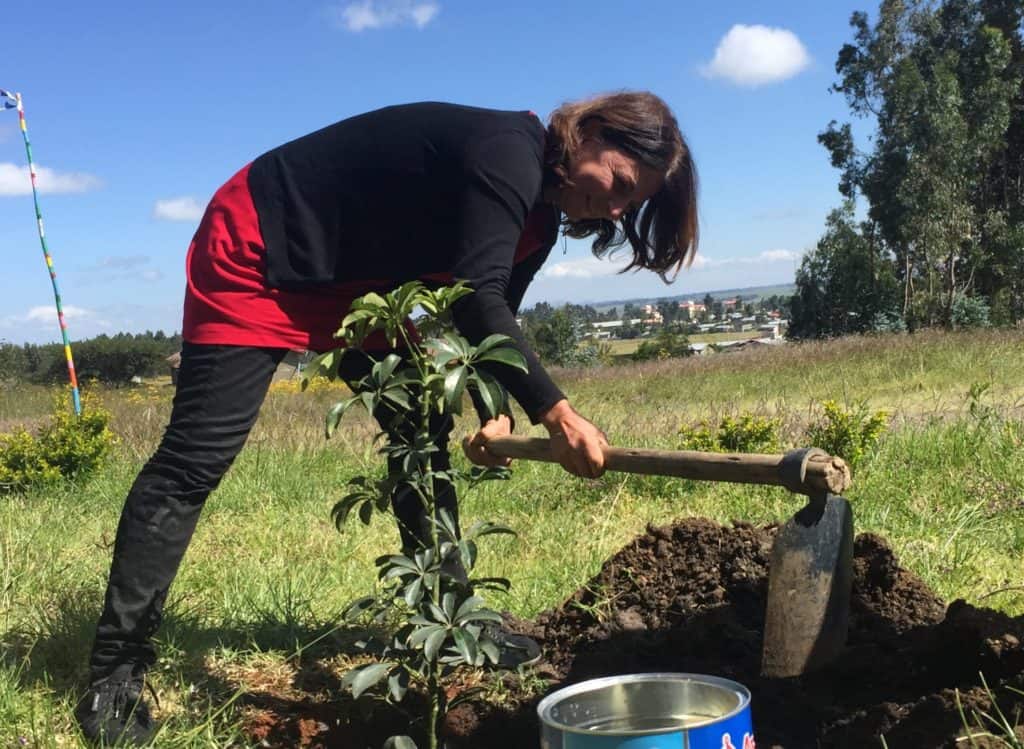
When I arrived in Addis Ababa to talk to people there about Training to cope with stress and traumait was raining. The rainy season in Ethiopia, which lasted several months, had just come to an end. The government had started the project Green Legacy to plant as many trees as possible.
Of course I took part and planted a handful of trees on the grounds of the organisation where I taught.
Ethiopian world record in tree planting
In July 2019, 353,633,660 new trees were planted in just 12 hours as part of a major campaign. The almost 354 million trees planted in one day is likely to be a new world record.
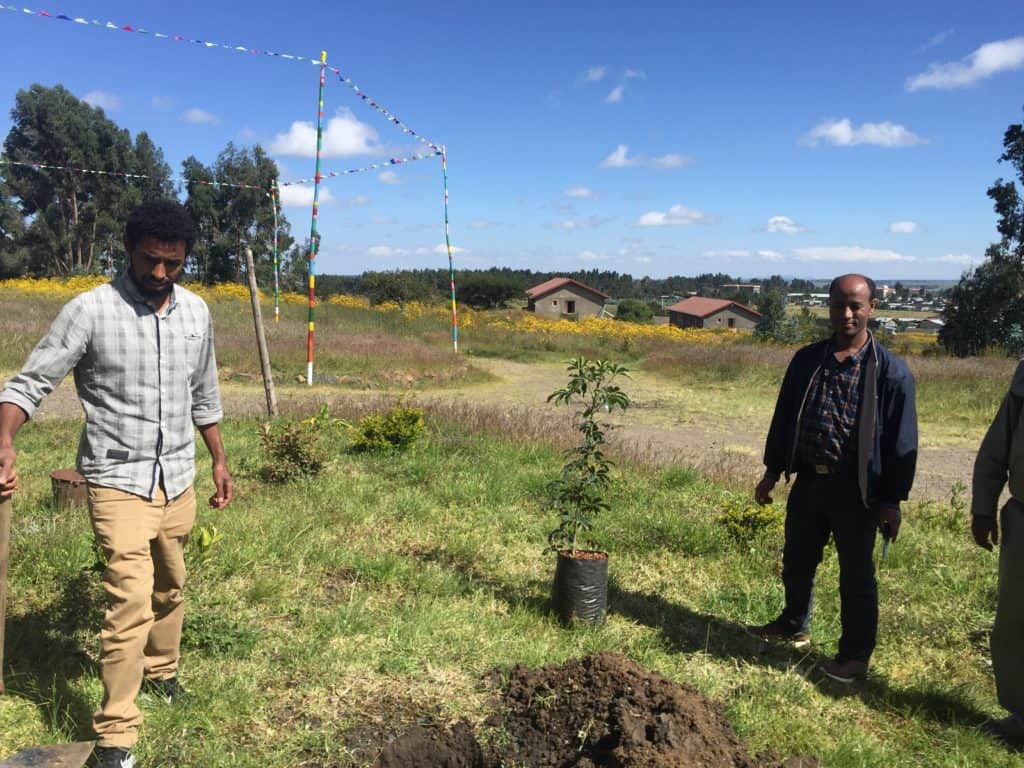
But that's not all. Around four billion trees were planted in the entire rainy season. Part of the grand plan is to plant billions more trees over the next few years in the country, 96% of which is deforested. For comparison: 100 years ago, 35% of the country was still covered with forest.
Effective reforestation in Ethiopia through FMNR
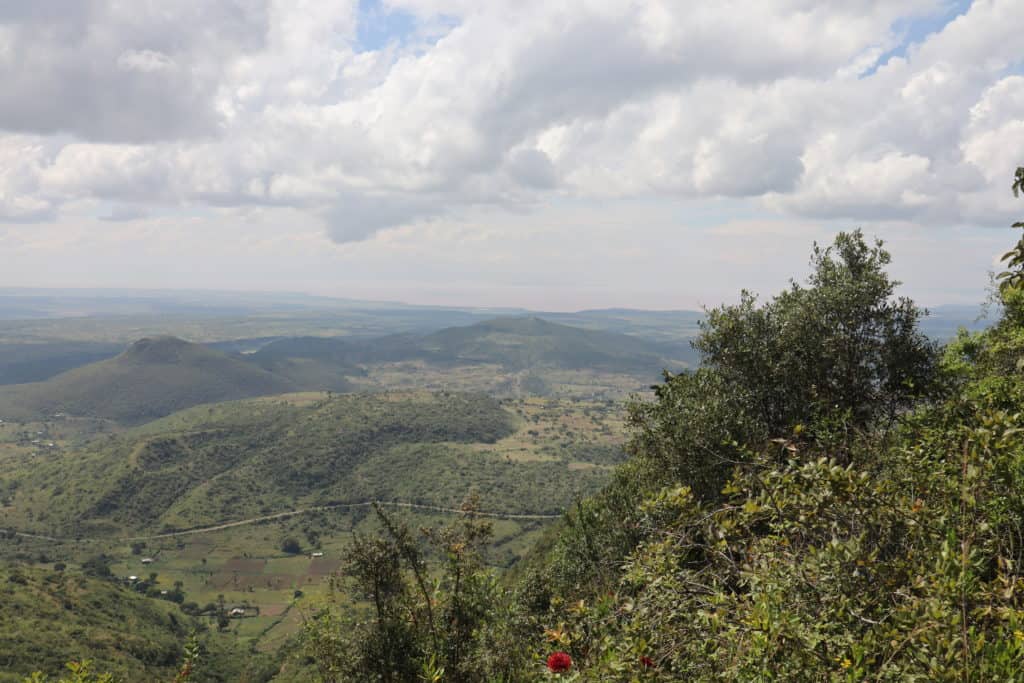
I could see the positive impact of reforestation on the climate when I visited an FMNR project in the Jumbo region in the south of the country.
FMNR stands for Farmer managed natural Regeneration, in short: farmers take regeneration into their own hands. It was developed by the Australian Tony Rinaudo who is responsible for the successful reforestation of areas of land. alternative Nobel Prize. By letting trees grow, crop yields were increased by up to 100% - in addition to all the other positive effects.
On site, we saw what this looks like. One of the local managers explained to us: "Firstly, we fenced off and protected an area. Then we let the trees grow, which sprouted naturally from old roots.
Before we protected the area, everything that grew was immediately cut down again. Now we gave nature a chance to regenerate. When the trees were about one metre high, we cut off the excess shoots so that the main shoot could develop strongly. After just two or three years, the trees were five or six metres tall."
We were able to see for ourselves. Where just a few years ago there were only barren hills with a few bushes, a magnificent forest had grown up - completely naturally. Saplings had only been planted in a few places.
The positive impact of FMNR in Ethiopia / Humbo
The positive effects are manifold
- There is far more grass between the trees than there used to be - food for animals.
- Thinning out the trees produces far more wood than in the past.
- A separate small forest was planted for timber.
- The climate has changed. The forest means that the air no longer heats up so much;.
- It used to be far too hot for field work from 11.00 a.m. onwards. The cooler temperatures mean that people can work longer in the fields, which increases yields.
- New cows were purchased, which produce more milk on less land.
- Erosion has been stopped. Land areas that could not be utilised in the past due to the risk of landslides can now be cultivated.
- Thanks to funds from the CO2 compensation programme, maize mills could be purchased. Farmers no longer have to walk 26 kilometres to the nearest town to have maize ground.
- Storage facilities were created for the harvest.
- The next step is to purchase solar lamps so that pupils also have light to study in the evening and no longer have to use paraffin lamps, which are harmful to health.
- Families who had previously lived from making charcoal were given sewing machines to start a new line of business.
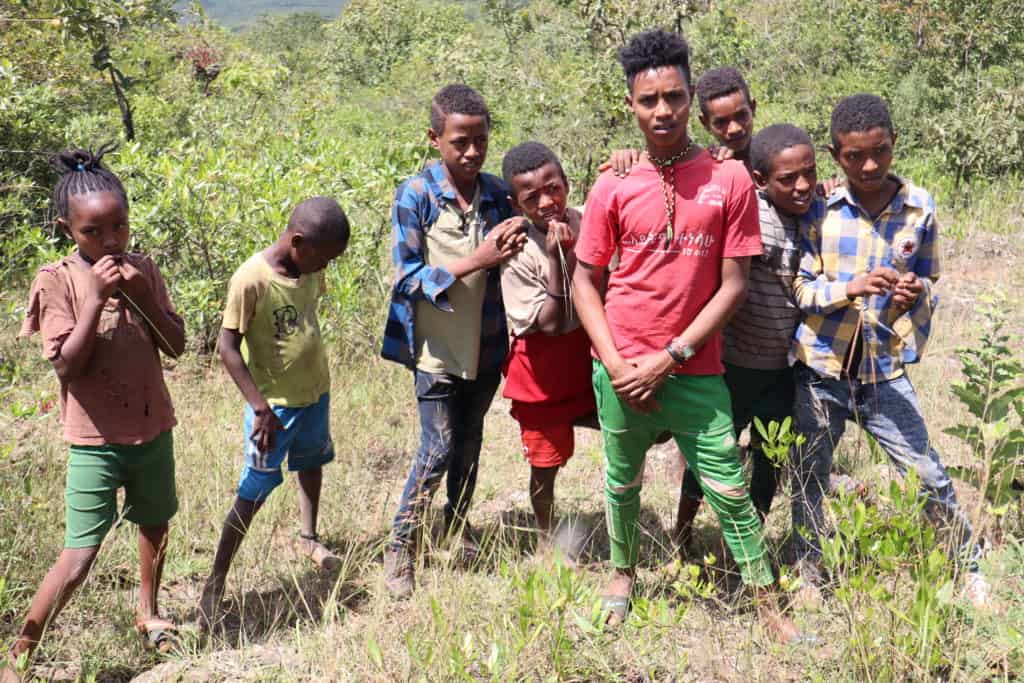
When we asked the children why the trees are important, they said: "They give us air to breathe and food!"
My contribution to FMNR - and perhaps yours?
As Publisher I love Tree projects, for example planting trees yourself. I also promote the following as my contribution to climate protection FMNR projects in Kenyawith the support of World Vision be carried out.
I realised that this method is really good for tackling climate change and improving people's quality of life at the same time.
I was able to see how good it really is in Ethiopia!
Question: What are you doing yourself to combat climate change? Why don't you write your ideas in the comments?
My tip: Why don't you consider supporting the FMNR projects with a donation? FMNR itself is far cheaper and more effective than reforestation with seedlings. However, financial support is needed to train people.


