


50 ideas to save money
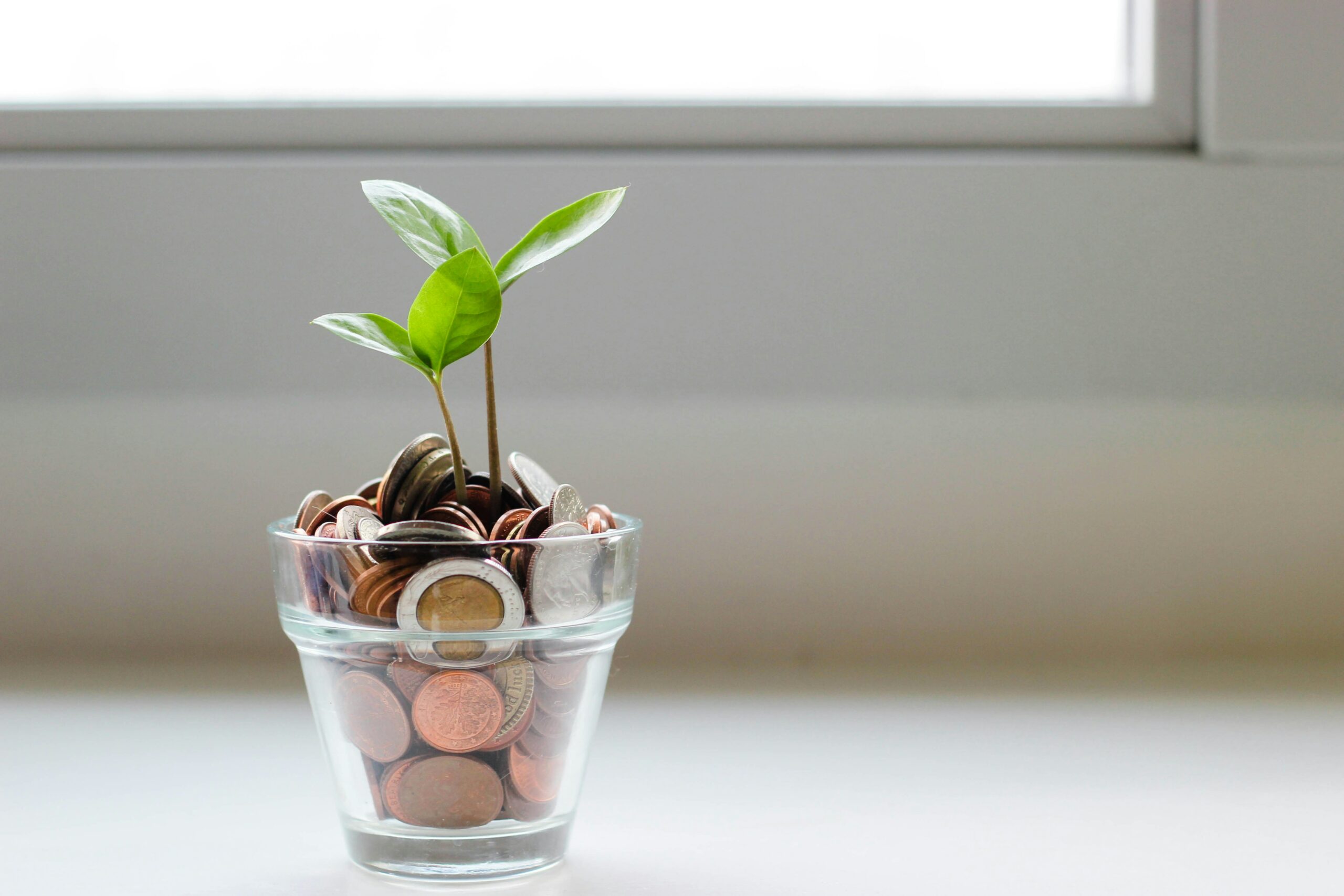
50+ ideas to save money "Save 25 euros every month! - What's the best way to do that?"
I am a member of a church that is currently facing financial challenges due to a move to larger premises. They have therefore asked all members to check whether they can give an extra 25 euros a month. For some this is easy, for others rather difficult.
Some people have to save money because there is no other way. Others want to save money to provide for their old age or to be able to afford something special.
I thought to myself: 25 euros - that's probably the money I spend on coffee to go every month. It should actually be possible to save that - although I'm not sure if I really want to miss out on delicious coffee on the go.
I've therefore come up with a few ideas on how you can save money with simple measures - either temporarily or permanently. Give it a try - with these ideas you can certainly save 25 euros or more.
Here you'll find some of my favourite ideas, many of which I'm already implementing myself.
Do without things
We often spend money on things without really thinking about it. Going without certain things for longer or for a certain period of time, e.g. for a month, or delaying services that are necessary, e.g. hairdresser visits, can save a lot of money. You can also find cheaper alternatives for some things, e.g. buying high-quality clothes or toys second-hand instead of new.
- Drinks on the go - coffee to go can be expensive
- Beverage cups - in many places, bringing your own cup saves money
- A single flower instead of a whole bouquet
- Eating out
- Buy clothes
- Entertainment - new downloads, books etc.
- Travelling
- Impulse buying - wait 2 days, then many things are no longer so attractive
- Sweets, snacks, alcohol or other expensive food or drinks
- Beauty or cosmetic treatments
- Subscriptions and memberships
Do things yourself
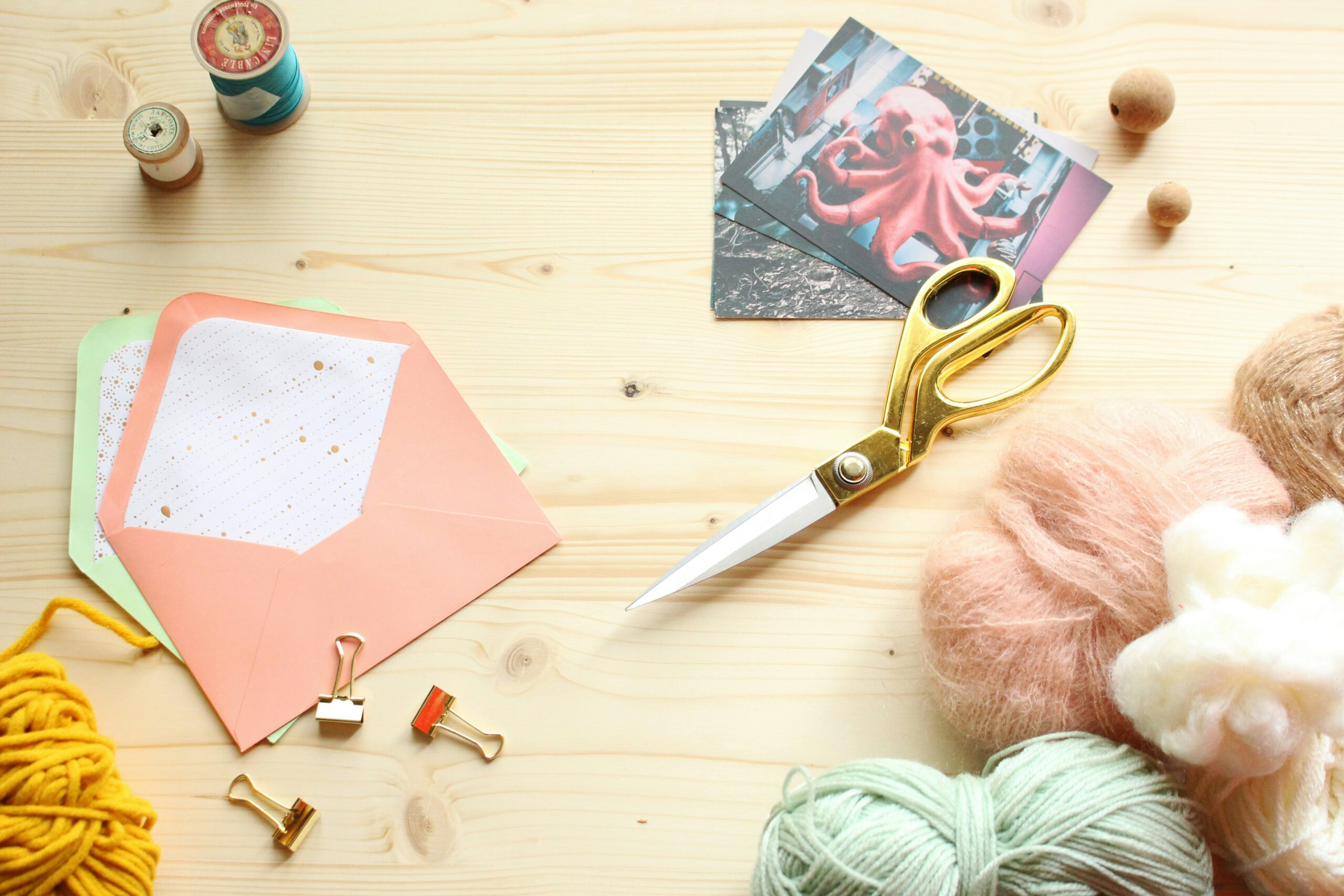
You can make many things yourself without much effort. Not only are they often cheaper than store-bought products, they are also often healthier and you can reduce packaging waste. You can find lots of recipes online, for example on Pinterest. I make my own washing powder from horse chestnuts, window cleaner (just vinegar plus water), cleaning products (orange vinegar) and sometimes toothpaste and cleaning products.
A few ideas to make yourself
- Cosmetics and face masks
- Cleaning agent
- Pestos, sauces and dressings
- Bread
- Yoghurt
- Jams
- Growing herbs or vegetables from seed
- Drinks e.g. iced tea
- Greeting cards
- Gifts e.g. also delicious home-made products
- Knitting cleaning rags from wool scraps
- Jewellery
- Candles and beeswax cloths
- Barbecue lighter (made from dried tea bags dipped in melted wax residue)
Consume things
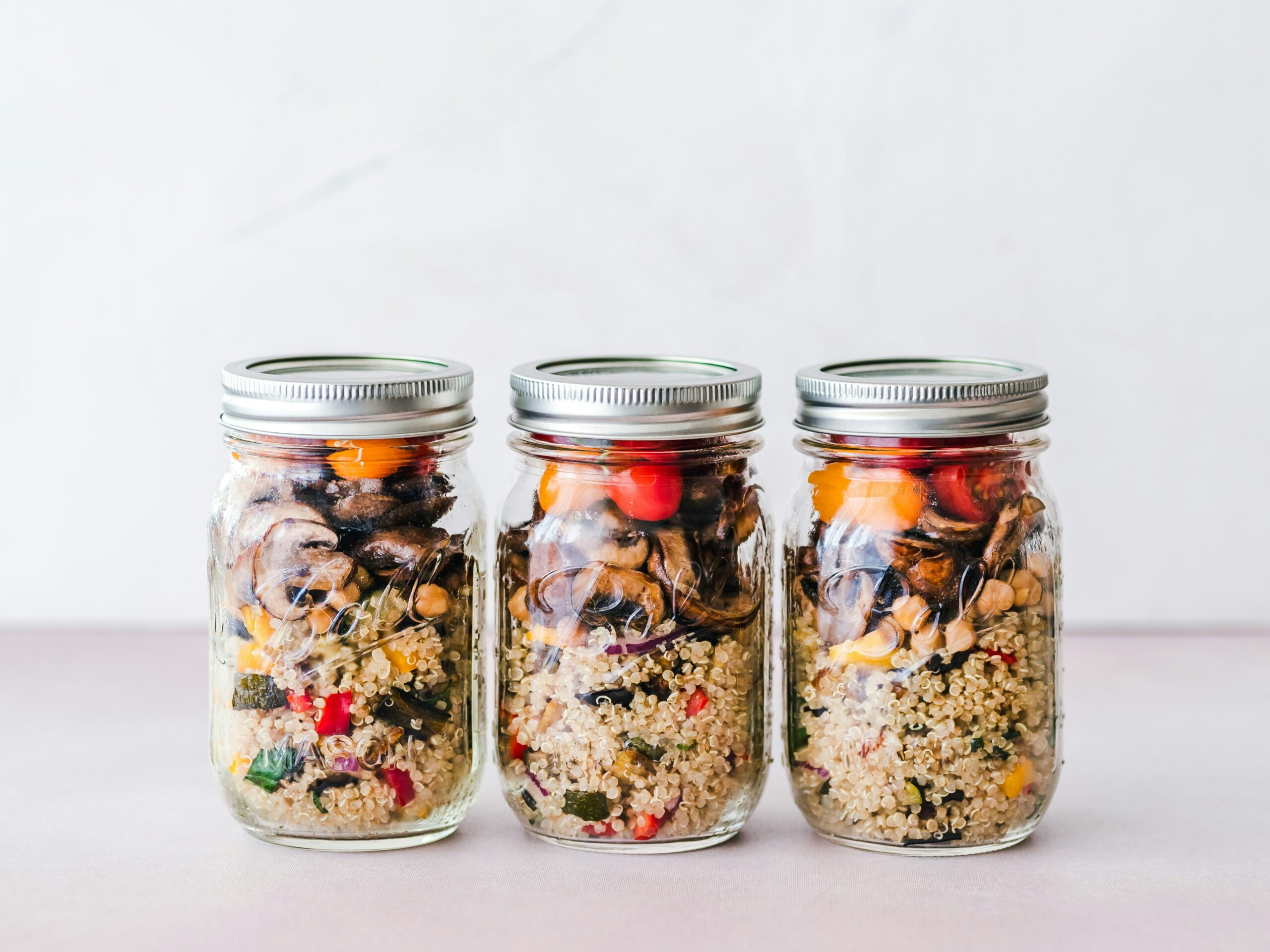
In many households, there are things filling up the cupboards that you don't really use but buy new instead. Getting rid of these things first takes the pressure off your budget and gives you a clearer overview and more space in your cupboards. It could be things that you received as a gift or bought yourself in a spontaneous mistake. And that you simply don't particularly enjoy using.
Or food that has accumulated and is lying around in cupboards or the freezer and simply isn't eaten because you prefer other things. At the beginning of the first corona lockdown, I packed all my accumulated stocks of unloved food into three (!) large boxes and ate them all within about two months.
The crate has proved its worth. I recommend putting the "unloved things" in a place where you can see them easily. If you then realise that you really don't want to use them anymore, you can give them away or throw them away.
- Foods and spices that you don't particularly like
- Body care products
- Cosmetics
- Cleaning agent
- Wrapping paper and greeting cards
- Underwear + socks
- Shirts
- Clothing
- Candles
- Napkins
Sell things
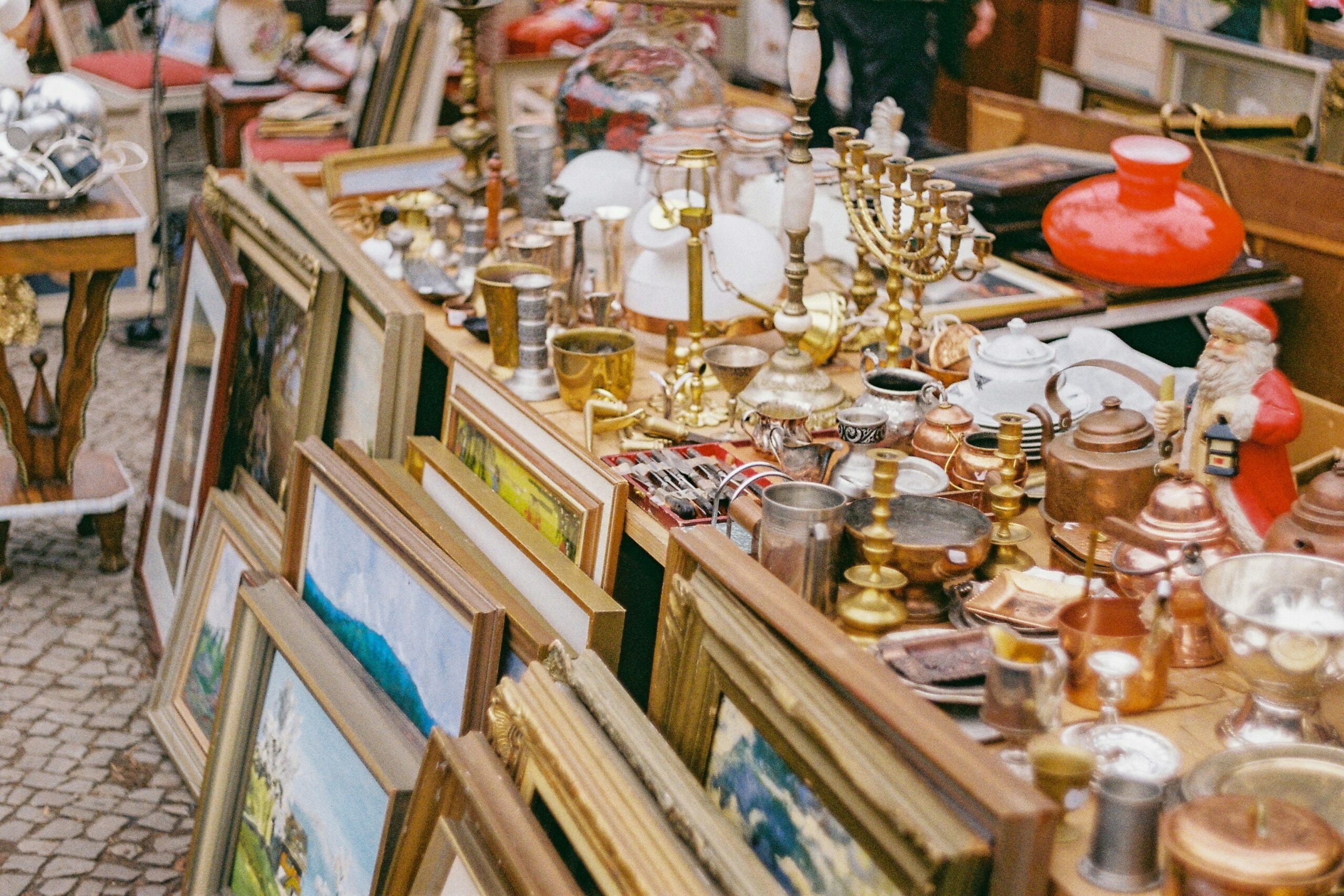
In most households, there are things that are no longer used but are attractive to others. Finding these items and then selling them can significantly boost the household budget.
I sold dozens of books during the phase in which I built my first ship - to replenish the "building fund", but also because I knew that I would have less space later on. You can sell at flea markets or online.
Typical items for sale
- Clothing
- Shoes
- Books
- Crockery, vases, cutlery, pots, kitchen utensils
- Electronics
- Jewellery
- CDs, discs, DVDs
- Tableware
- Toys
- Tools and materials
- Sports equipment
- Kitchen utensils or garden tools
- Collectibles and collections e.g. coins
- Hobby equipment (especially if you no longer actively pursue the hobby)
Find alternatives
Many things you spend money on are not absolutely necessary or can be replaced by alternatives that are cheaper without necessarily compromising on quality or enjoyment.
A friend who loves well-painted fingernails has bought a UV nail hardener light because it is cheaper for her in the long run than always buying the service, another uses a yoghurt machine for the same reason. I myself have a massager to loosen up tense muscles - but I still treat myself to a massage every now and then. This also works with rooms: a friend of mine uses a friend's empty flat during the day to work undisturbed. Another man bought snacks, drinks and candles and "rented" a little girl's tree house for 5 euros for an unforgettable, romantic evening with his wife. And I myself love to "buy" clothes from friends who have outgrown certain styles.
- Instead of buying new, buy used online or at flea markets
- Swap meets, e.g. with friends
- Borrowing instead of buying
- Bulk packs or storage packs instead of expensive individual purchases (only worthwhile for things that you really need a lot of: Detergent, toilet paper, cereals, pasta). Or team up with friends or neighbours for bulk packs.
- Use or buy rechargeable batteries instead of batteries again and again
- Picking flowers instead of buying them (just not in the neighbour's garden ;-))
- Make cleaning rags from broken clothing or scraps of wool
- Make delicious coffee or a really great meal at home, with music and candles - instead of going out for an expensive meal
- Swap decorations with friends instead of buying new ones
- Use coworking space, empty flats of friends or a café instead of renting an office
- Making music with friends instead of going to a concert
- Swapping flats or couchsurfing instead of paying for a holiday resort
- Requesting services from friends or exchanging services with them e.g. massages, cosmetics, manicures, hair colouring
- Watch films alone or with friends at home instead of at the cinema
- Buy devices instead of using the same service over and over again
- Repairing things instead of buying new ones.
What's important about the whole thing: if possible, don't approach it too doggedly. And to treat it as an experiment and limit the time it takes:
Do without something for a while, but then enjoy it again.
Or making some things yourself, but also seeing what suits you and really makes a difference financially. I like to make some simple cleaning products myself and barbecue lighter fluid. For cosmetics, I use natural oils, e.g. coconut oil for sun protection and skin care. Making cosmetics myself is not worth it for me. You can find your own way here. I hope you have lots of fun saving money and finding new ways and alternatives.
Extra tip:
Why don't you get our Money bookletif you would like to learn more about the topic of finance
And for anyone who wants to bring more order to their chaos, why not order the Ebook tidy


