


Coaching - what is it actually?
My customer arrived at my place upset and stressed. "Something has to happen today! I can't take the tension anymore!" After an hour, she left. Deeply relaxed and with more confidence.
"Whenever I think about conversations with my boss, I get nervous - even days in advance! And during the conversation itself, I'm often not confident and suddenly turn red!" is how another coaching client described his challenge. "Now I'm calm and confident!" was the summary at the end of the coaching session with me. And shortly afterwards I received an email: "The conversation with the boss went really well! I'm so grateful for the coaching."
Coaching is wonderful. Coaching people and seeing knots loosen, clarity and confidence emerge at the end of the coaching session - that's wonderful. For me personally, there is hardly anything better.
But what exactly is coaching not?
Even though coaching is much better known today than it used to be, many people are not quite sure what exactly coaching is.
It is easier to explain what coaching is not and to differentiate it from other forms of counselling.
Coaching is not therapy.
Therapy is a procedure or method for curing a disease or treatment. It implies that a sick person, a patient, is being treated.
Coaching is not counselling
Counselling is the provision of advice, usually in the form of a meeting or conversation. The implication here is that the counsellor has specialist knowledge which he passes on to the person seeking advice.
Coaching is not training
Training is the planned implementation of a programme with various exercises to increase performance. This is also primarily about the - structured - transfer of skills.
So what exactly is coaching?
The term comes from the English word coachwhich means carriage. In other words, a comfortable vehicle that takes a person from one place to another. From 1848, private tutors for students were also referred to as coaches, and in 1885 the term was first used for trainers in sport.
Coach is neutral in English. In German, men and women can be referred to as coaches; there is also the term "Coachin", but this is not as common.
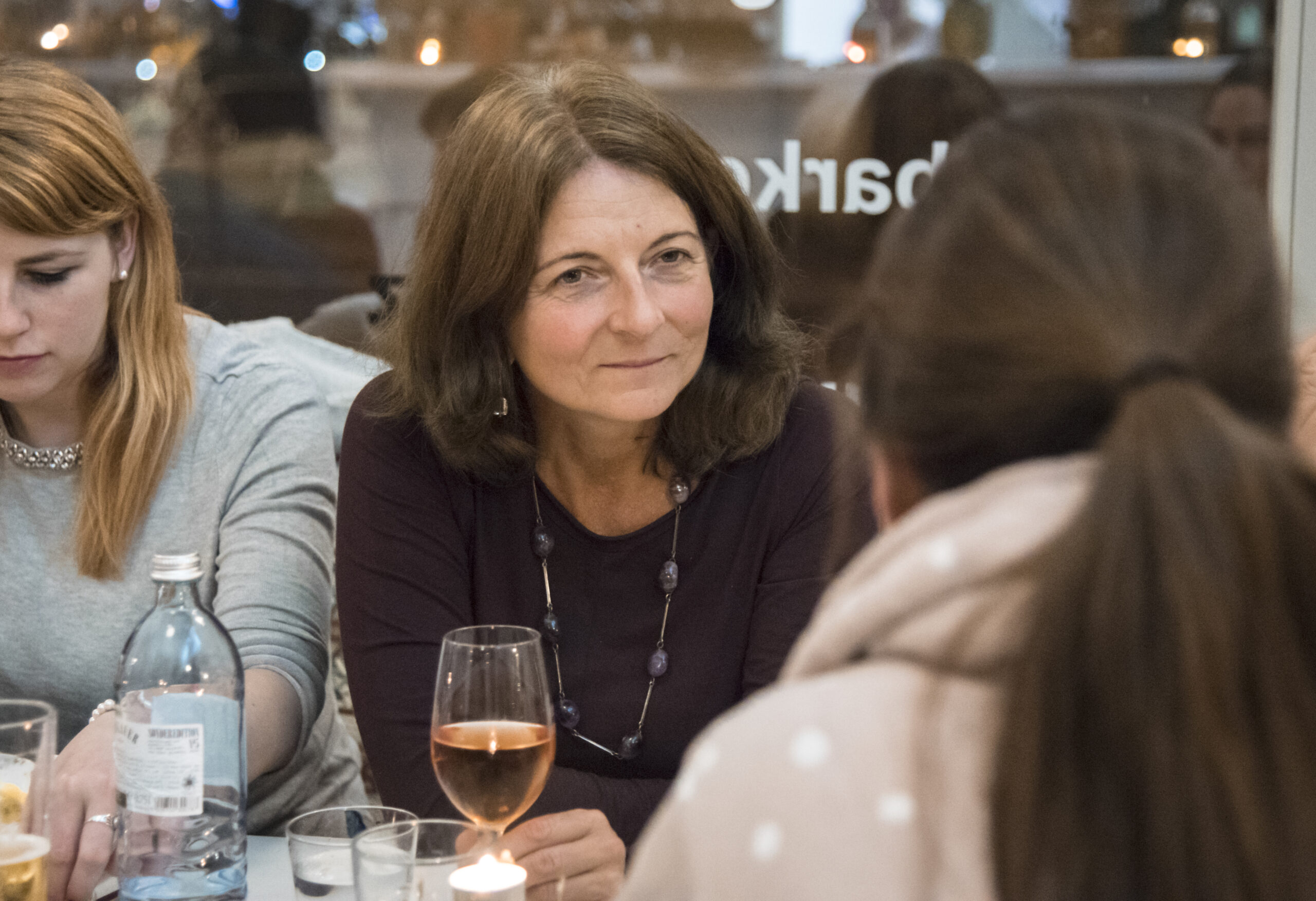
A coach is...
- Target companion: He brings someone else (client, customer, coachee) safely to the goal
- Carer: He coaches and trains athletes or a team, as well as managers, artists
- Sponsor: He accompanies clients to promote and develop their professional or personal potential.
The boundaries between coaching and therapeutic and counselling professions are, of course, as always, blurred. In coaching, too, you often experience healing, even though the focus of coaching is not therapeutic. And occasionally you also pass on specialist knowledge or training impulses.
But the core of coaching is accompanying and supporting people on their way to the desired goal.
That's why one of the first questions in coaching is often: What do you want to be different at the end of this coaching programme than it is now? What goal do you want to achieve?
Coaches use many different tools specially developed for coaching.
Also take a look at the following article "When do you need coaching": https://kerstinhack.de/allgemein/wann-braucht-man-coaching/


